
Connect your data Validate model-based decisions Design profitable operations
PMv is a physics-informed AI platform for designing and validating intelligent process operations.
It allows users to safely train, stress-test, and refine AI on first-principles digital twins, validate AI behavior using real plant data, and evolve intelligent operation systems, within a secure, asset-decoupled virtual environment.
With PMv, your Aspen models become the foundation for the intelligent operation design.
PMv uses Aspen Plus and HYSYS models as online digital assets to design, test, and validate intelligent operation strategies in a safe virtual environment before deployment.
PMv brings existing Aspen models online as real-time digital twins without redevelopment.
Fully compatible with Aspen Plus/Dynamics, Aspen Polymers, Aspen HYSYS/Dynamics, Aspen Custom Modeler, Aspen Adsorption, Aspen Chromatography, and Aspen Utilities.

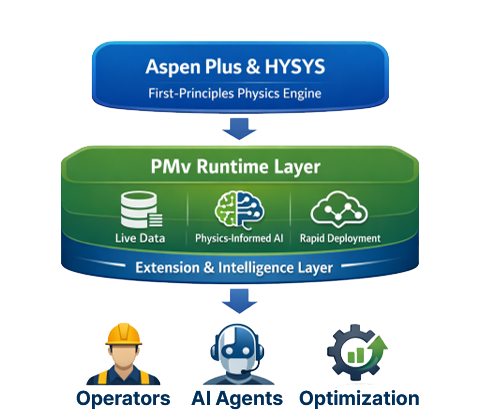

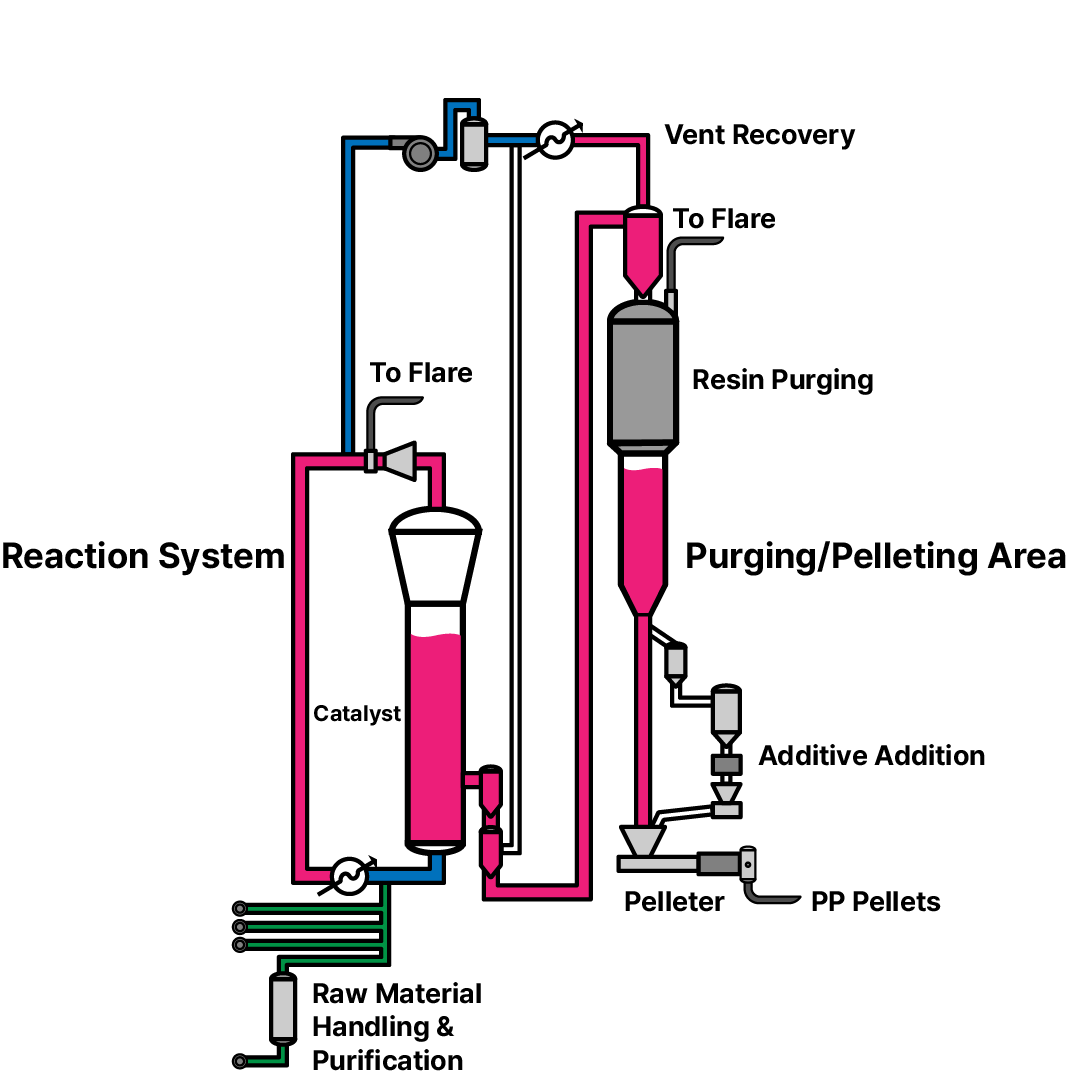
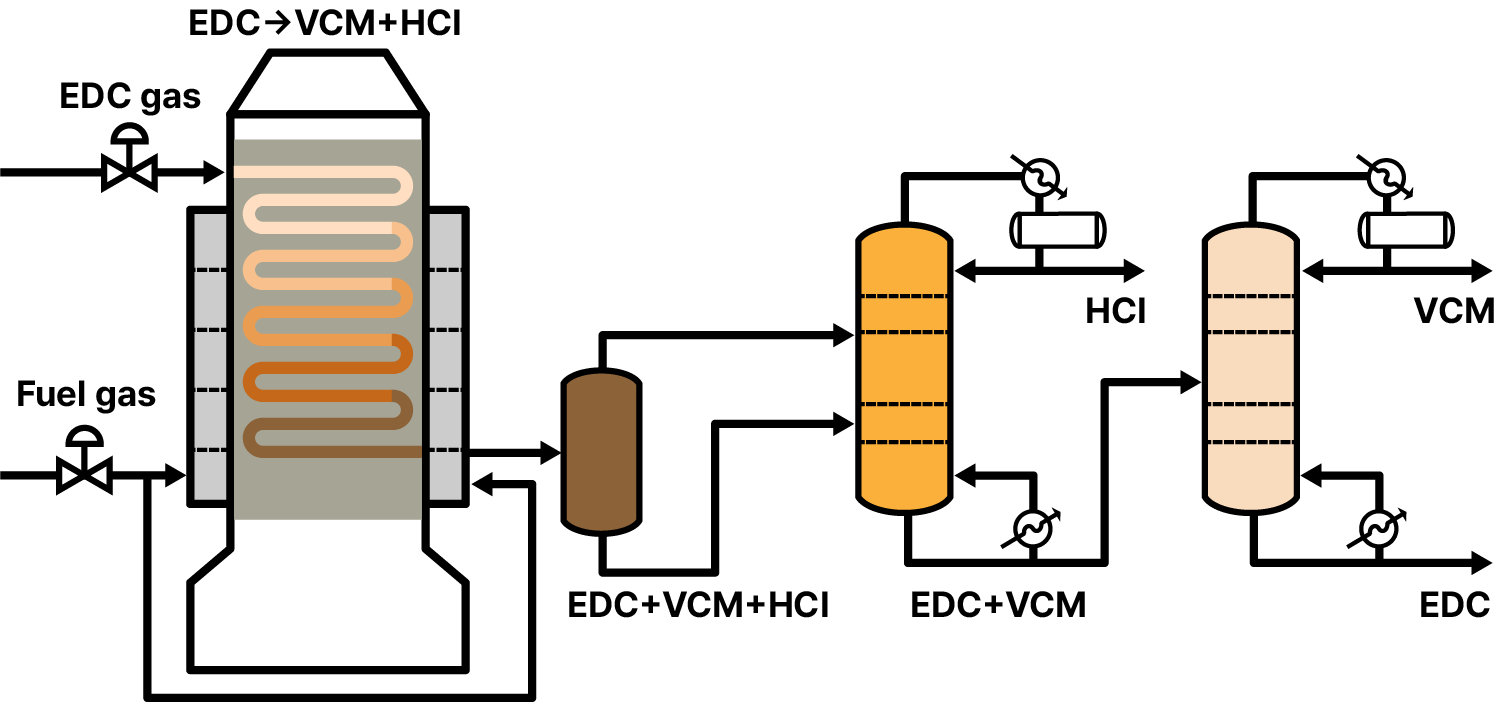
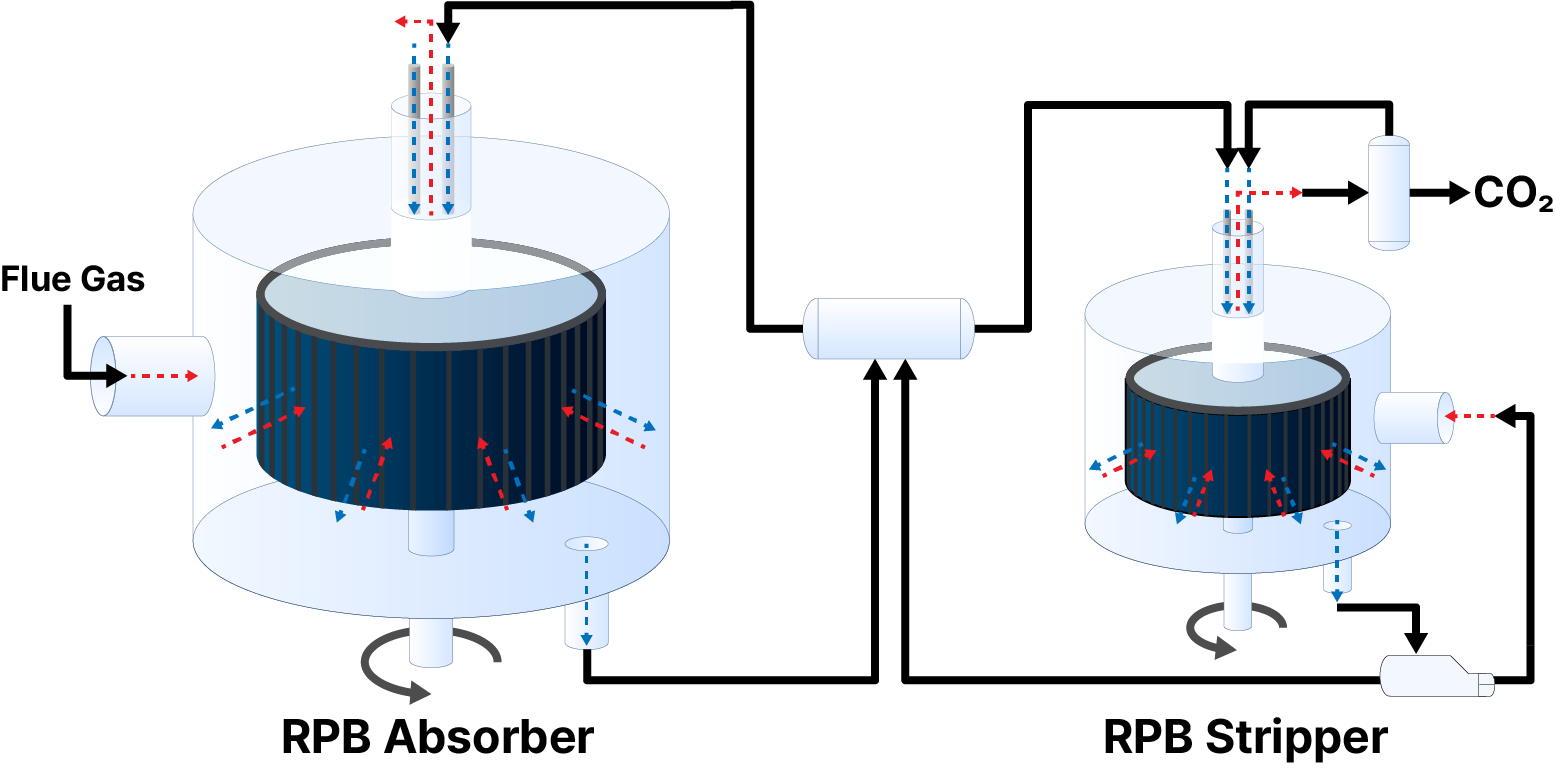
From data to AI-driven-operation design.
PMv brings every step, from data and modeling to AI learning and deployment,
into one continuous, governed environment.
Connect your data
Bring historians, lab data, real-time tags, and process documents together with your 1st principles and engineering models, all aligned in a single process context.
Build process-aware intelligence
Combine data, domain knowledge, and models to create intelligence that understands your process. Models include data-driven, physics-based and hybrid intelligence.
Design AI modeling strategies
Create, compare, and operate hybrid models, surrogate models, and physics-informed AI, all within the same governed environment.
Safe reinforcement learning
Generate physics-based synthetic data and safely train AI across abnormal, rare, and extreme conditions, without risking real operations.
Govern, reuse, deploy - online & offline
Central registry, versioning, lineage, and validation states, so teams stop rebuilding the same work and confidently deploy models online and offline.
Earn trust.
Go online when ready.
Design intelligent operation – step by step
PMv supports a gradual path from analysis to operation,
with engineering-grade validation at every step.
Observe & Align
Bring together historians, lab results, real-time tags, and documents, and align them with process context, KPIs, constraints, and operating envelopes.
Define what to predict, optimize, and control, before building automation.
Predict & Simulate
Create predictive models using data-driven, physics-based, or hybrid approaches.
Run what-if scenarios, sensitivity studies, and simulations to test assumptions safely.
Decide & Validate
Develop decision, recommendation, and optimization logic, including rules, policies, and AI strategies.
Validate performance using back-testing, synthetic data, and rare or extreme scenarios.
Deploy & Evolve
Deploy validated logic into offline decision support or monitored online workflows.
Track model drift, manage versions and approvals, and continuously improve with full governance and traceability.
Deployed where credibility matters
Engineering-first workflows, transparent diagnostics, and governance designed for real operations – not demos.
Physics + AI
Explainable, engineering-grade
Versioning & Lineage
Full traceability to ops
Works Offline + Online
Offline-first validation
Built for engineers and operators
No hidden automation
The first wins teams get with PMv
Built for process engineers who need a real answer. Now, not next quarter.
Who
Process Engineer / Operations Engineer
Situation (Scene)
- A quality, energy, or yield issue has just occurred.
- Need to explain why it happened. Right now.
- Have historian data and models, but they are not connected in a single process context.
What they do in PMv (within 30–60 minutes)
- Open the process model and connect to historian
- Replay the last few hours/days of operation
- Overlay key tags on the process context
- Test one hypothesis offline
Immediate win
A defensible explanation. Not a guess.“This is what changed, and this is why it mattered.”
Who
Process Engineer / Process Manager
Situation (Scene)
- Need to explain the current process state in tomorrow’s meeting.
- Time is limited, and the existing reports add little value.
- Need one good new insight.
What they do in PMv
- Select a recent operating window
- Compare current vs reference operation (Gap analysis)
- Run one what-if or sensitivity case using the existing model
Immediate win
One clear report with one good insight,grounded in data and the process model.
Who
Process Engineer / Operations Engineer / Process Manager
Situation (Scene)
- A request has come in to change operating conditions, setpoints, or operating strategy.
- You need to quickly determine whether it’s safe to proceed.
- Running experiments on the real plant is not an option.
What they do in PMv
- Use current operation as baseline
- Apply the proposed change in the virtual environment
- Check constraints, side effects, and sensitivities
Immediate win
Confidence to approve (or reject) a change with evidence.
Who
Section Head / Process Manager / R&D Manager
Situation (Scene)
- This analysis will clearly be reused.
- But today, it still ends up as a one-off in someone’s personal files.
What they do in PMv
- Save the case with assumptions and context
- Version it and make it discoverable
- Re-run it automatically with new data when needed
Immediate win
From a one-off analysis to a living engineering asset.
Start fast in the cloud.
Scale to private cloud or on-prem when IT/OT governance requires it.
PMv is a single platform that adapts to your infrastructure, from rapid evaluation to enterprise-scale operations.
PMv Cloud
Quickly evaluate PMv without long infrastructure cycles.
- Try pre-built templates and workflows
- Validate value quickly with real data
- Best for PoC/PoV and early enablement
PMv Private Cloud
A dedicated tenant integrated with your identity, security, and audit requirements.
- Multi-site rollouts
- Enterprise governance and compliance
- Standardize workflows across teams
PMv On-Prem
Run PMv inside your infrastructure when cloud is not an option.
- Direct OT integrations
- Designed for regulated environments
- Same workflows, different footprint
Answer one real question.
Focus: Activation
- Open an existing model already connected to historian data
- Replay a recent issue or operating window
- Test one hypothesis offline
- Create one defensible insight for a meeting or decision
Outcome
Define what to predict, optimize, and control, before building automation.
Make it repeatable
Focus: Workflow
- Save the analysis with assumptions and context
- Define inputs, outputs, and constraints
- Turn a one-off study into a reusable workflow
Outcome
The same question can be answered again, in minutes, not days.
Validate and govern
Focus: Trust
- Compare results across scenarios and time windows
- Validate logic using historical replay or edge cases
- Version the work and mark it as approved
Outcome
An analysis others can trust, not just the person who built it.
Share and scale
Focus: Adoption
- Share the approved workflow with the team
- Re-run it automatically as new data arrives
- Use it in reviews, meetings, and decision support
Outcome
From personal analysis to a shared engineering asset.
Practical guides, technical references, and real-world stories — built for process engineers and operations teams.
PMv Guide & Manual
Everything you need to get started with PMv, from data connections to model execution and day-to-day workflows.
Open PMv Wiki →Technical articles & blogs
Explore use cases, modeling strategies, and engineering insights shared by SIMACRO and PMv users.
Browse the knowledge base →How teams succeed with PMv
See how engineering and operations teams use PMv to solve real problems, scale best practices, and build trust in AI-driven decisions.
Read customer stories →Ready to operationalize your models?
Connect your data, deploy governed model assets, and scale best practices across teams—offline and online.